Social Situations and Food Choices
January 2026
Key Influences on Social Eating
Food choices made in social contexts involve far more than individual preference. Social situations create unique frameworks that influence what, when, and how much we eat. These influences operate at multiple levels—from immediate social pressure to deeply rooted cultural traditions.
Group Dynamics
When eating with others, our choices reflect both personal preferences and group norms. Food selection often involves implicit coordination with those around us—matching energy levels, participating in shared traditions, or demonstrating belonging through food choices. Peer influence shapes eating patterns in ways that often operate outside conscious awareness.
Cultural and Tradition Context
Cultural backgrounds and family traditions create frameworks for food choices that extend across generations. Specific foods carry meaning beyond their nutritional content—they represent heritage, celebration, connection, and identity. Understanding these cultural contexts is essential to grasping real-world food selection.
Social Status and Identity
Food choices can signal social identity, status, and values. Dietary practices often communicate group membership, ethical beliefs, or lifestyle choices. These social dimensions of eating are inseparable from the act of food selection itself.
Celebration and Emotion
Social eating frequently occurs during significant moments—celebrations, holidays, gatherings after difficult times. These emotional contexts transform food from mere fuel into vehicles for social connection and emotional expression.
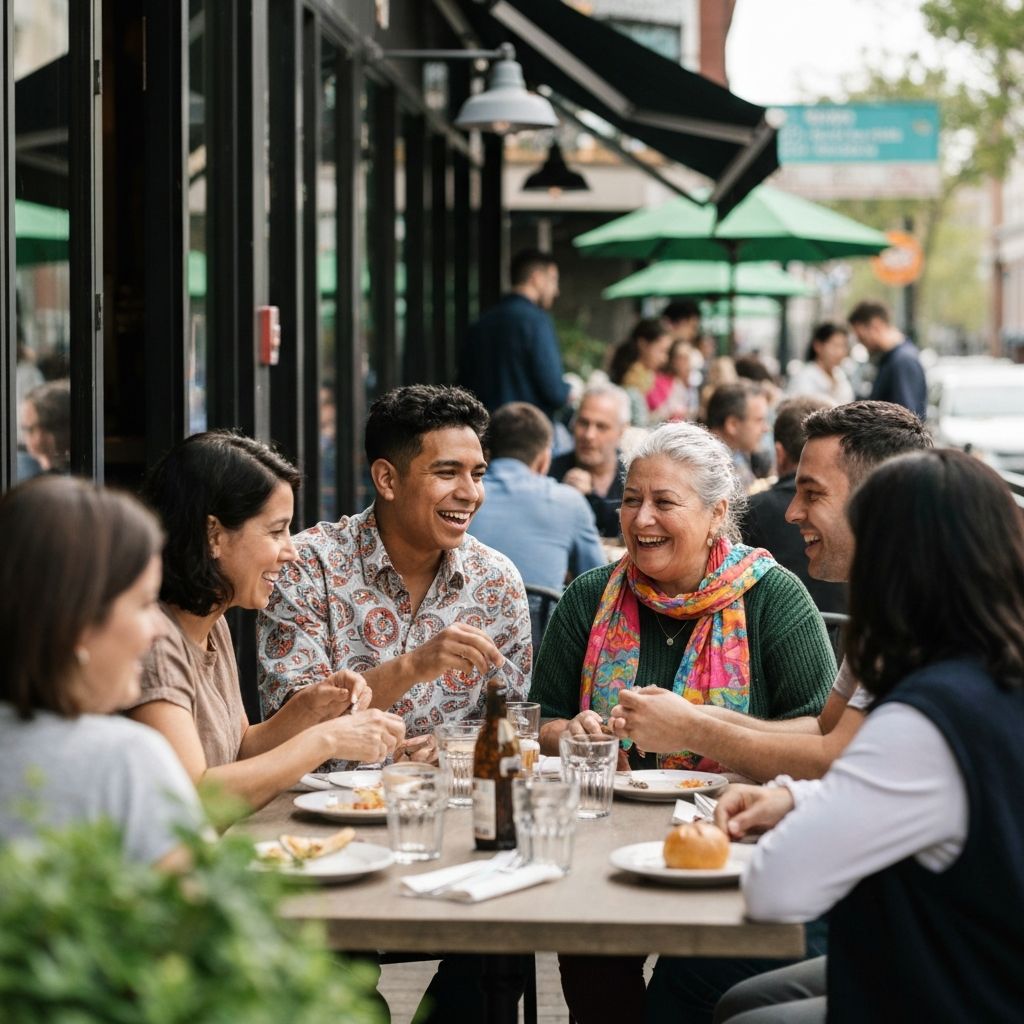
Understanding Social Context
Social eating patterns reveal that nutrition doesn't exist in isolation. The presence of others, shared traditions, group norms, and emotional significance all influence food choices fundamentally. Recognizing this contextual nature of eating helps explain real-world nutritional behavior far better than individual preference alone.
Research in social psychology and nutrition science consistently demonstrates that eating is a deeply social activity. Our food choices reflect not just biological needs but also social belonging, cultural identity, and relational connection.
Key Takeaways
- Food choices in social contexts reflect group norms and dynamics, not just individual preference
- Cultural and family traditions create powerful frameworks for food selection
- Food carries social and emotional significance beyond nutritional content
- Social eating often serves purposes far beyond meeting nutritional needs
- Understanding these influences helps explain actual eating patterns in daily life
This article provides educational context about how social situations influence food choices. It is not medical advice or personal recommendation. For any changes to your diet or health practices, consult with qualified healthcare professionals.